
Home Sticker match
Headboard
Cream sticker matched to cream fabric
Best practice is always the same: place the node INSIDE the object, out of sight, no color match needed. That's how you should actually deploy it. But we can't photograph a node you can't see, so the gallery below shows nodes on visible surfaces with the 200+ printed color-swatch stickers demonstrating the color range. Sixty seconds to install either way. Nodes shown at 4x actual size.
A visible security device is a signal. To you it says "protected." To someone with bad intent it says "here's the thing worth taking, and here's what to disable first." Every camera dome, every wired sensor, every visible-brand alarm sticker is a treasure map. The industry has been telling itself for decades that visible deterrence works. It does, until it doesn't, and then the visible device becomes the first thing bypassed.
Digital Tripwire's rule is one line: the node goes inside the object, not on it. Inside a pocket, behind a panel, under a fascia, in the frame backing, in the lining. The node is never seen because nobody looks inside. No color match needed because there's nothing to match. Every node still ships with a 200+ printed color-swatch sticker sheet, for the rare surface where interior placement isn't possible and the top face has to sit exposed. In those cases you pick the swatch, peel, place it over the node, and the node blends in with the surface. Either way, the node is invisible. Either way, the evidence is captured. Either way, the chain of custody is signed.
A color-match demonstration. The best deployment is always inside the object (no color needed), but for the rare exposed-surface placement, this is how the sticker works. Watch each stock-white node take on the color of the surface it's on. Pick the swatch, peel, place. The one exposed face disappears.
Real deployments hide the node inside the object, out of sight. But we cannot photograph a node you cannot see, so the exterior placements below exist to show what the color match looks like on different surface types. Every image is a color reference, not a recommended placement. Filter by category. Every card is tagged for whether real-life deployment on that object would typically be HIDDEN (inside) or STICKER MATCH (exterior). Nodes shown at 4x actual size so you can see them at all.


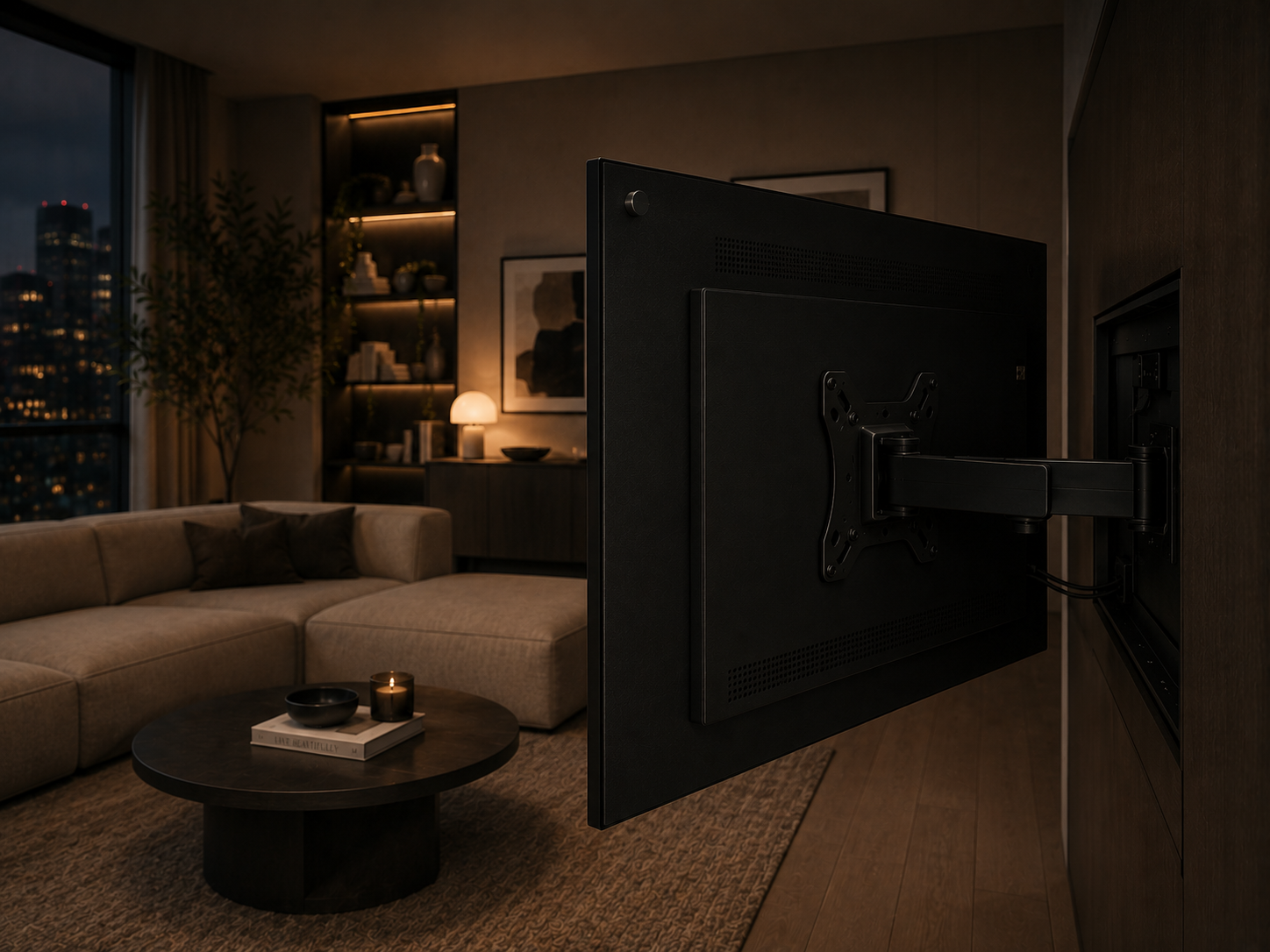


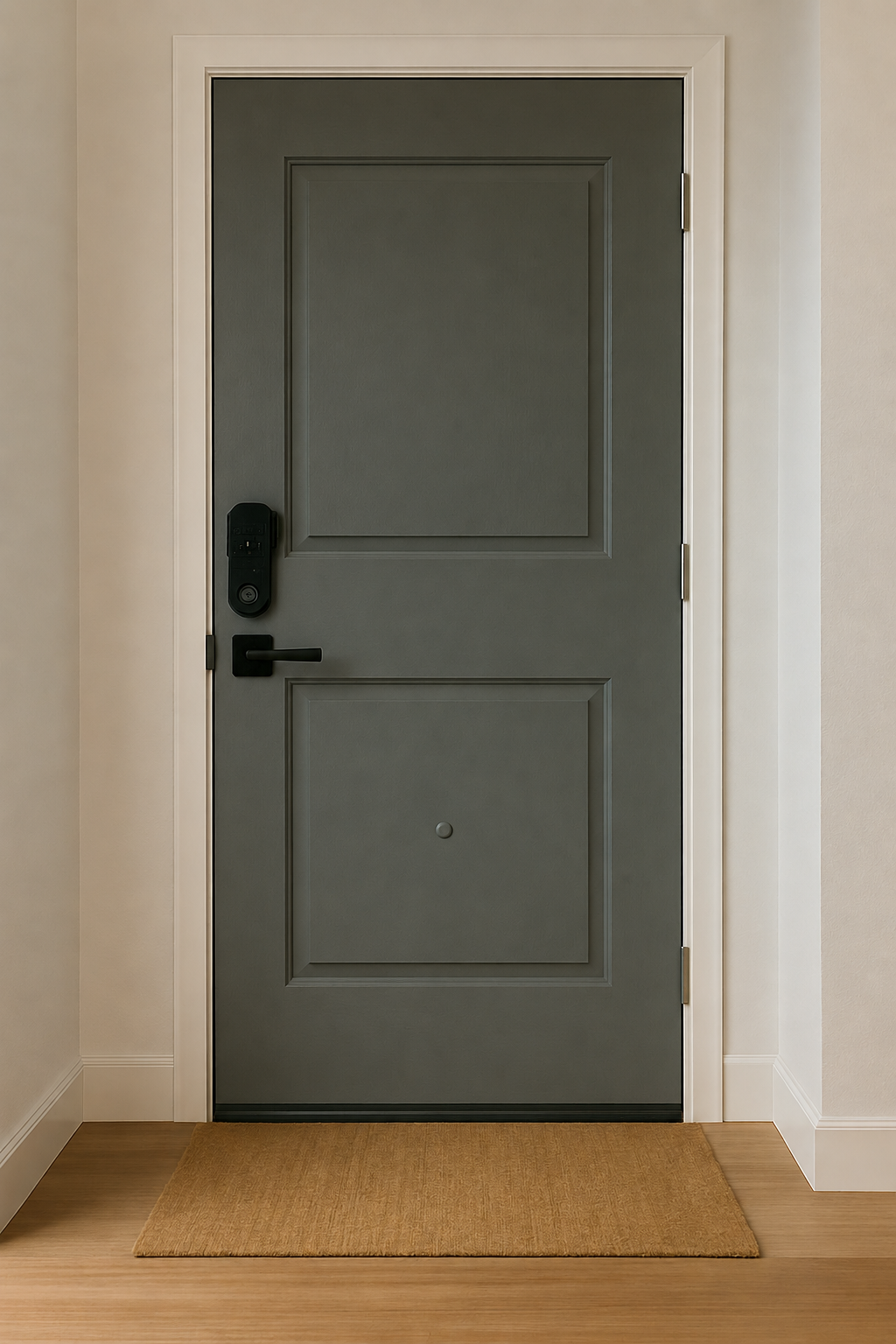

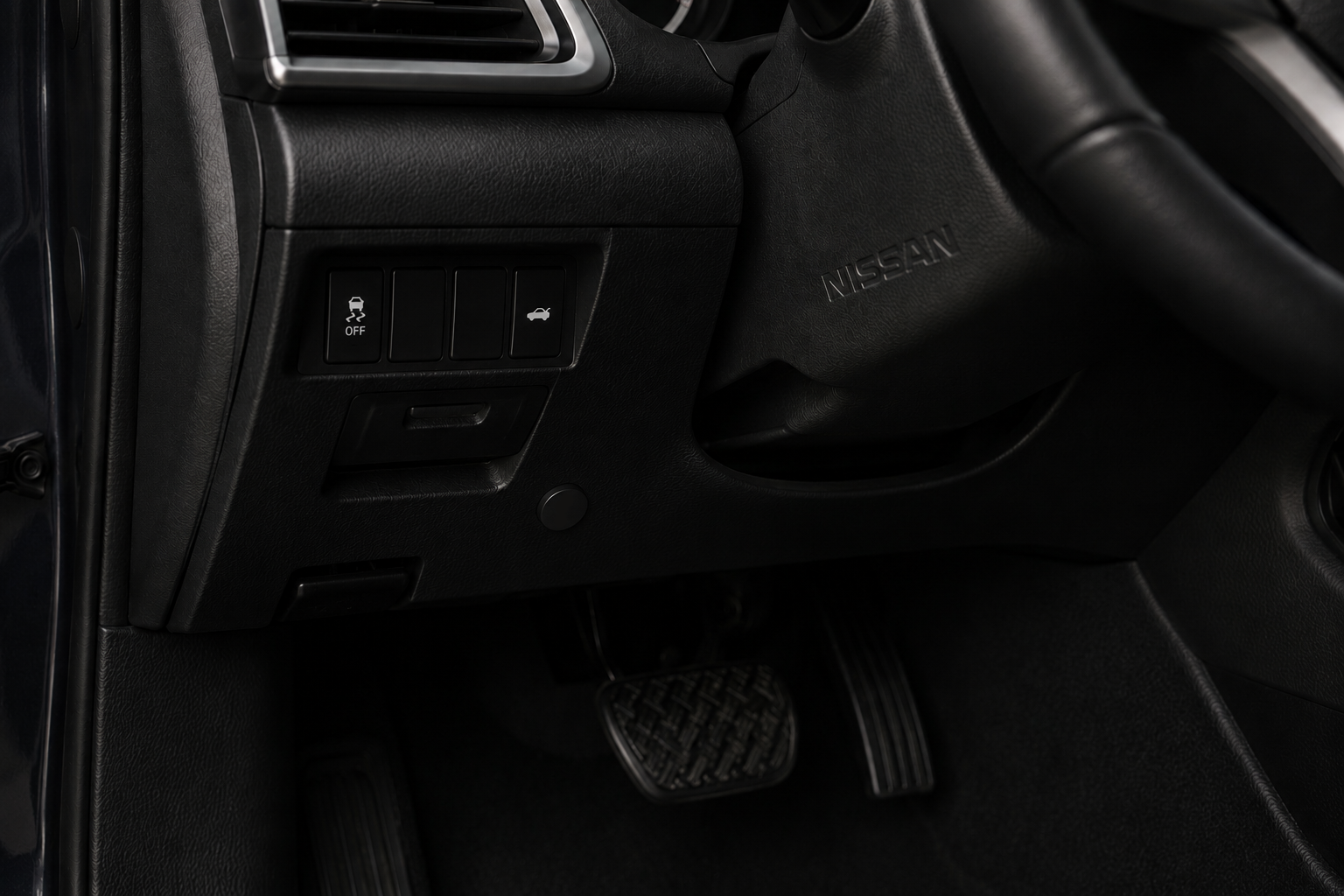
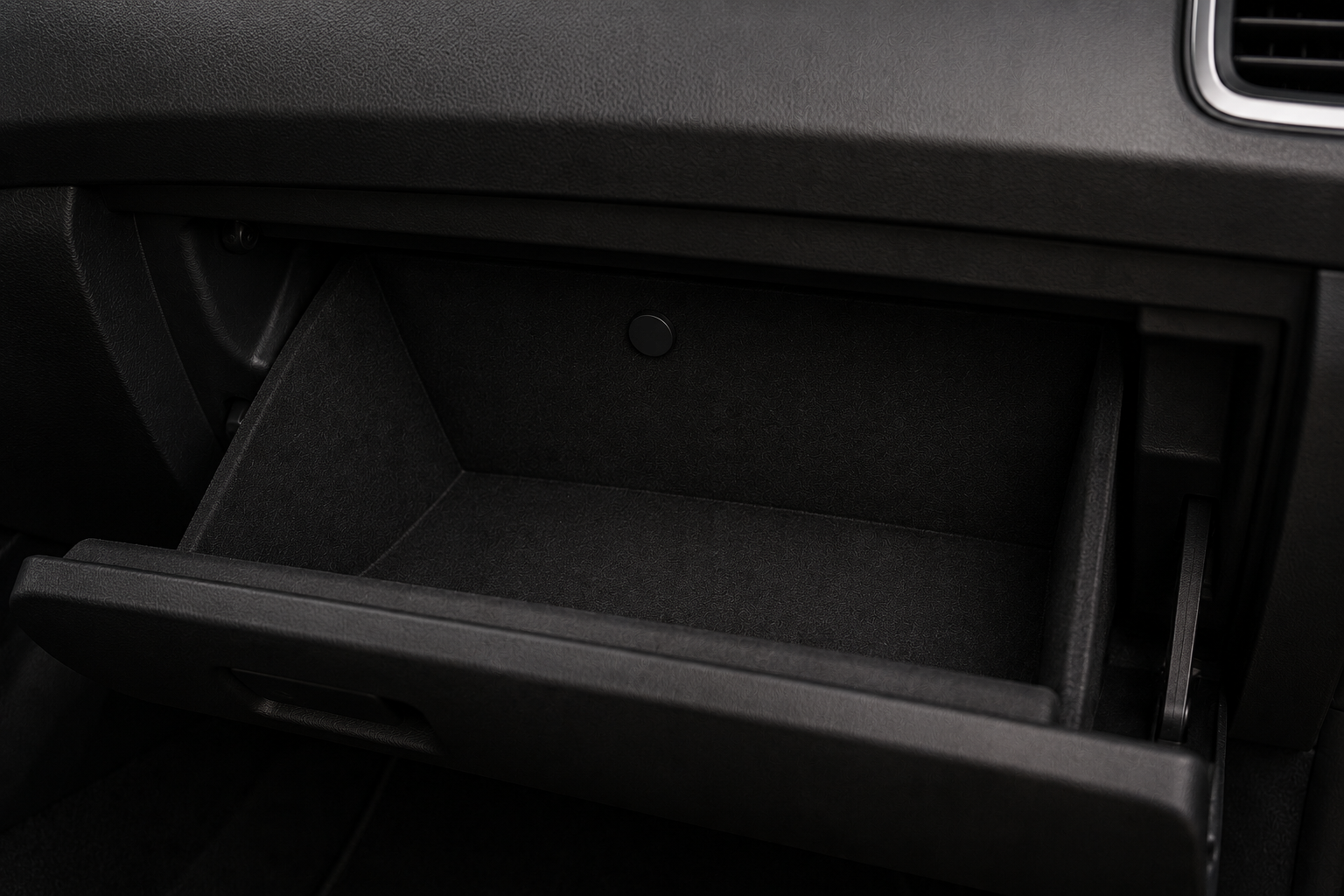
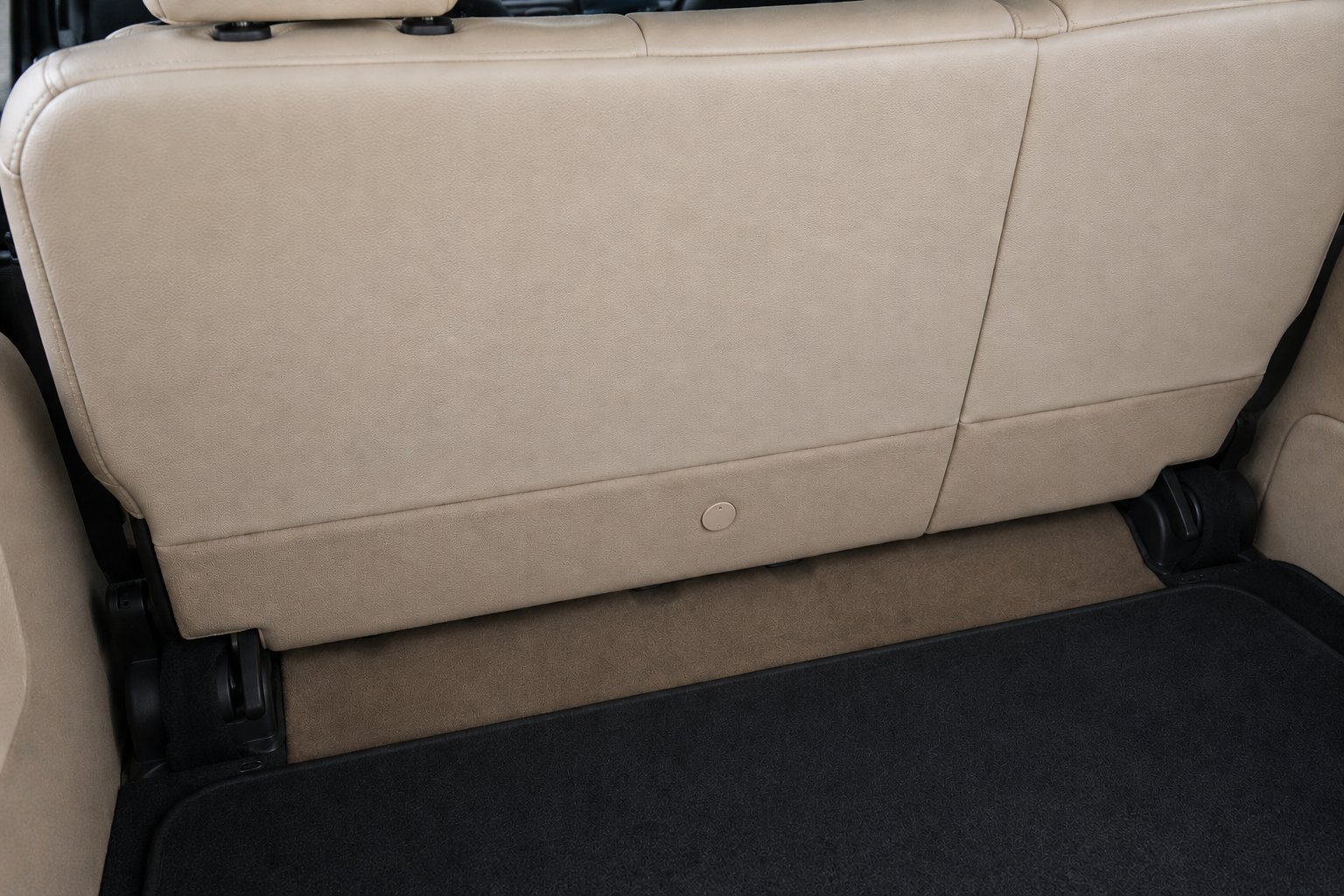
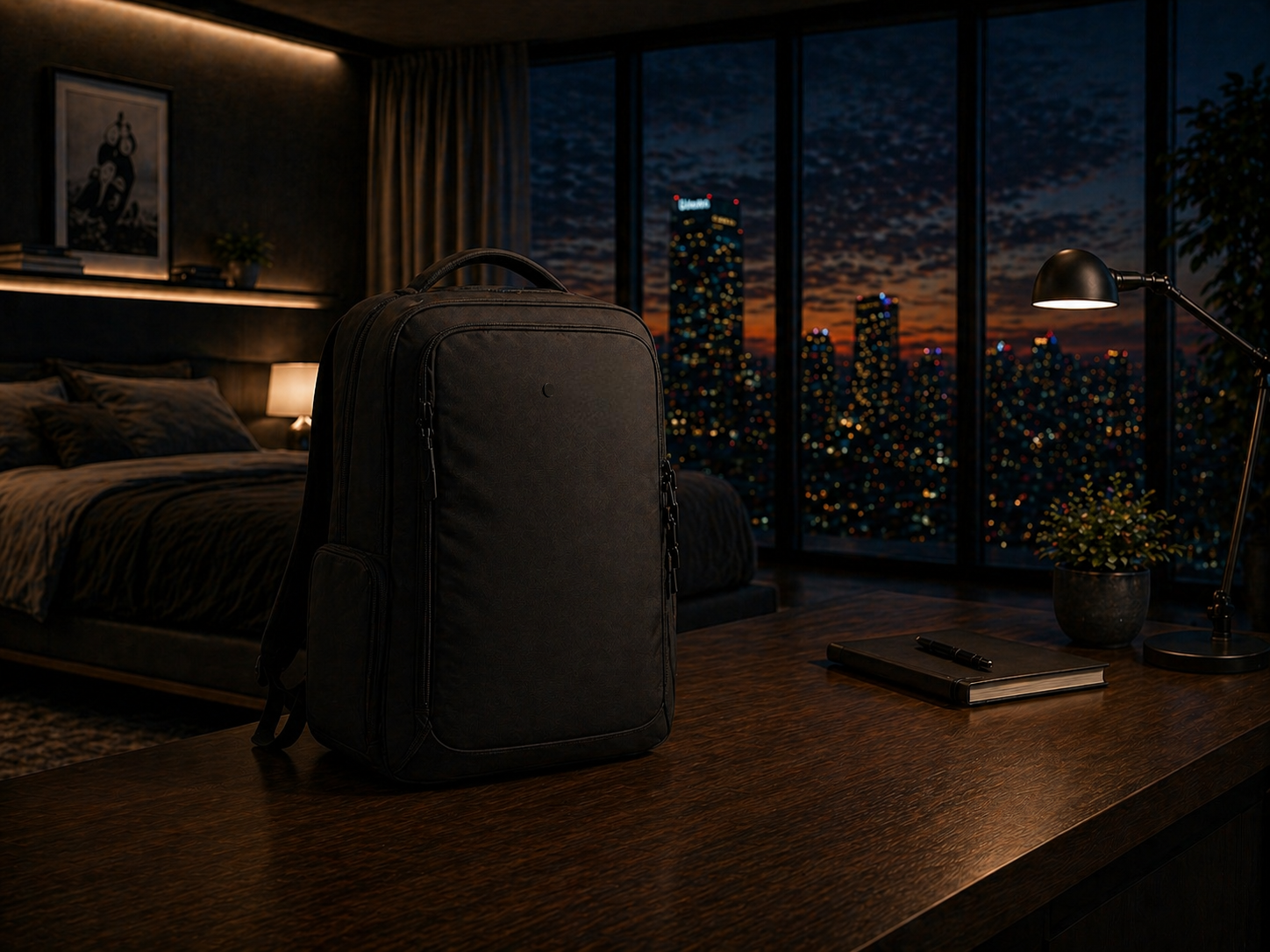
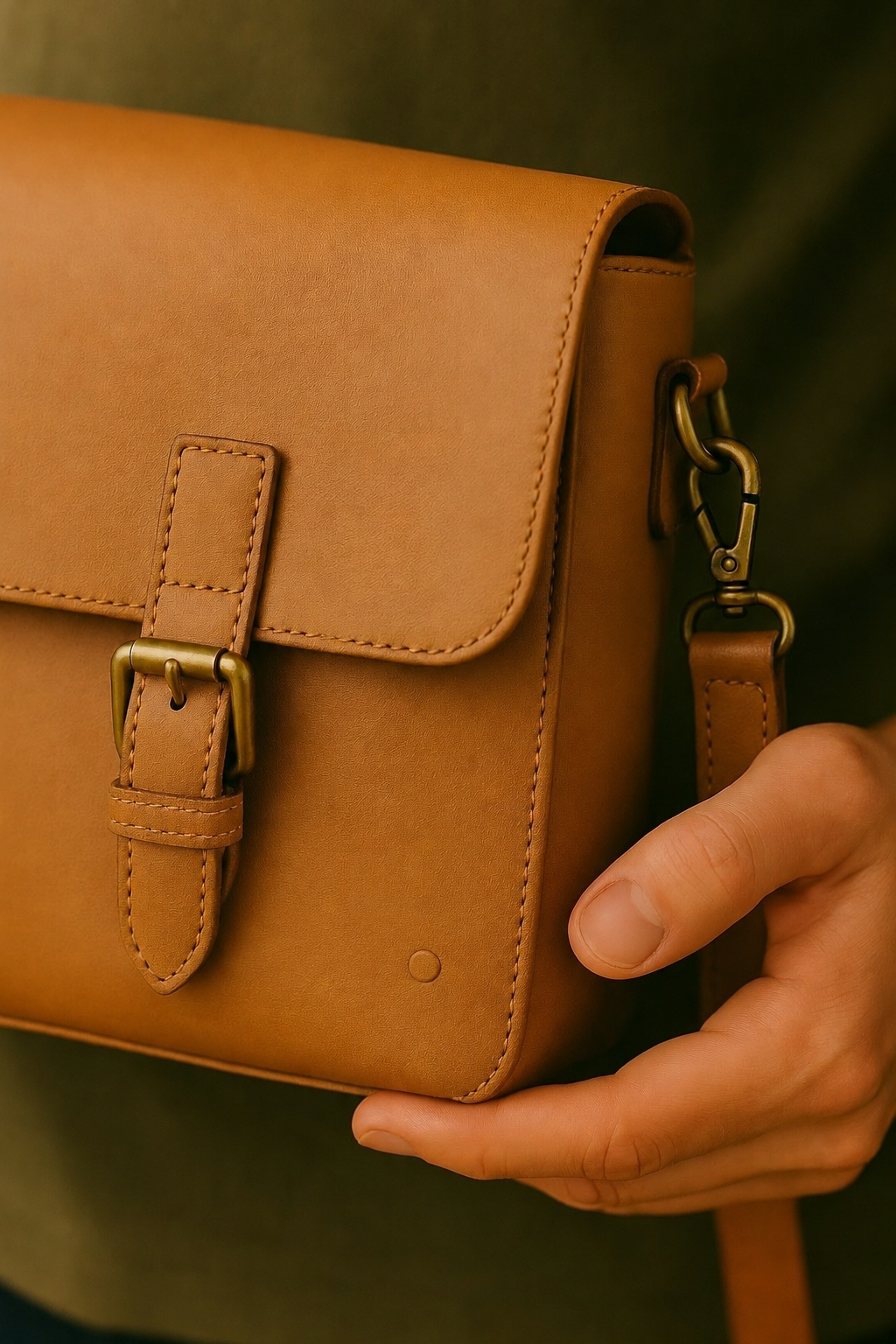
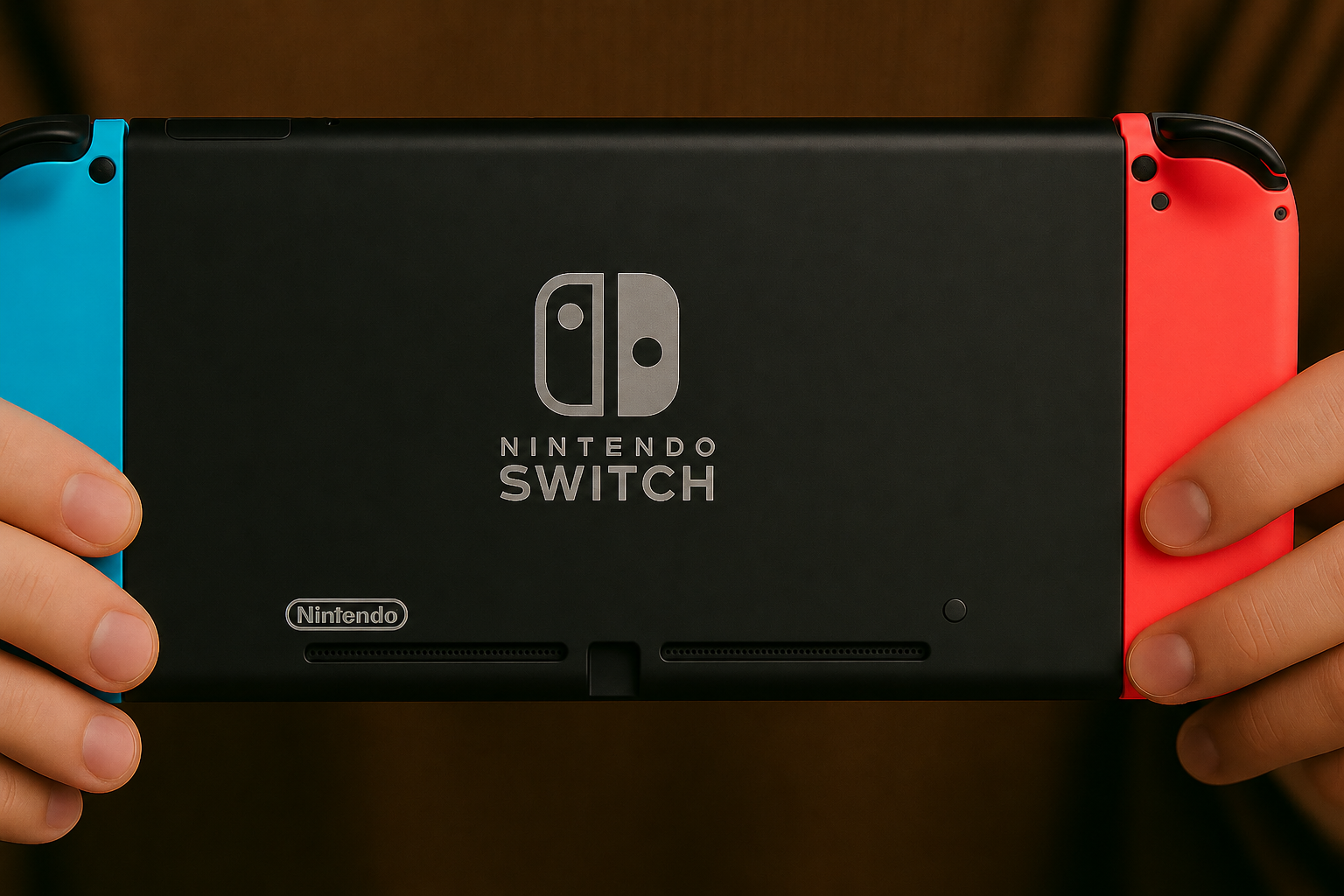
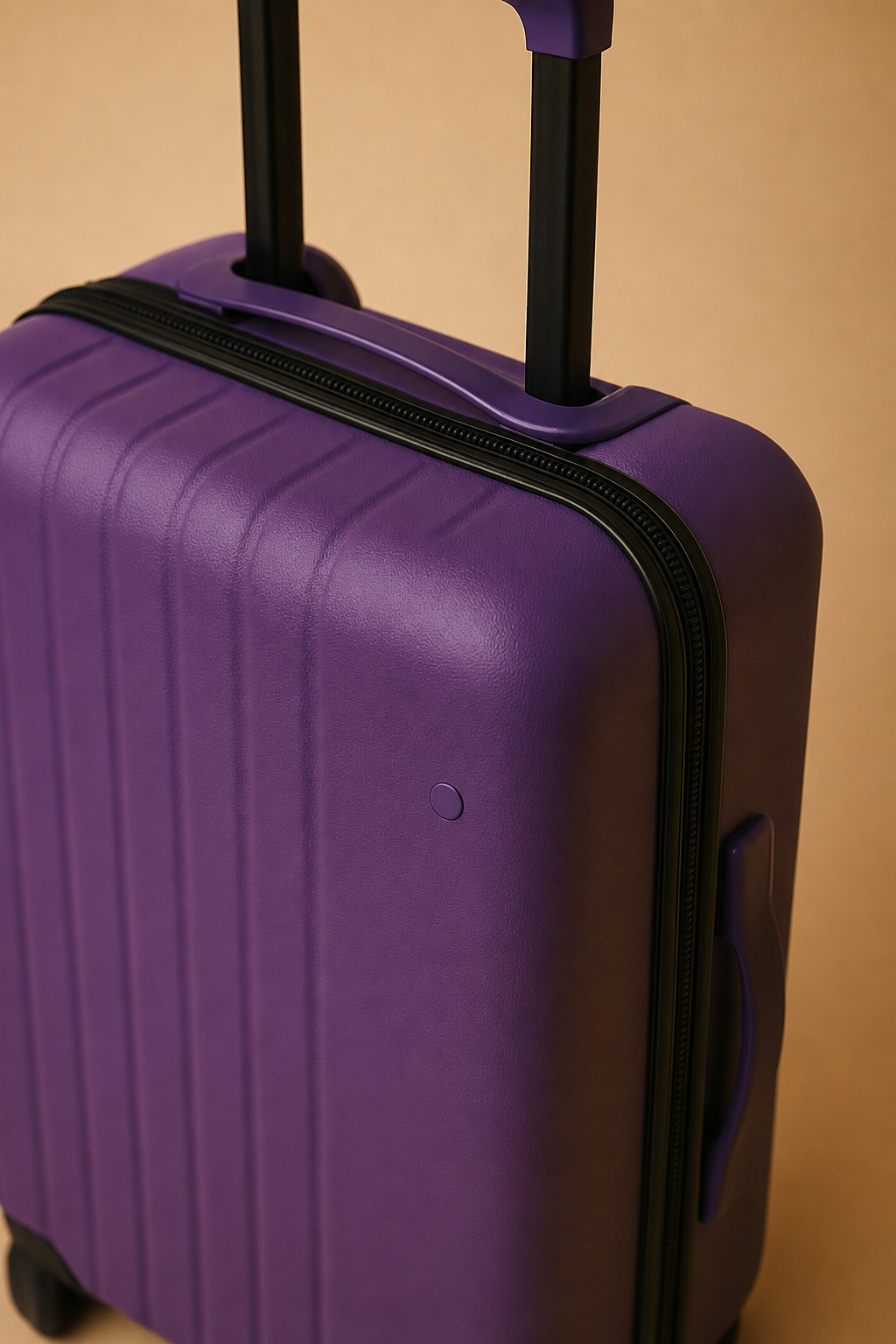
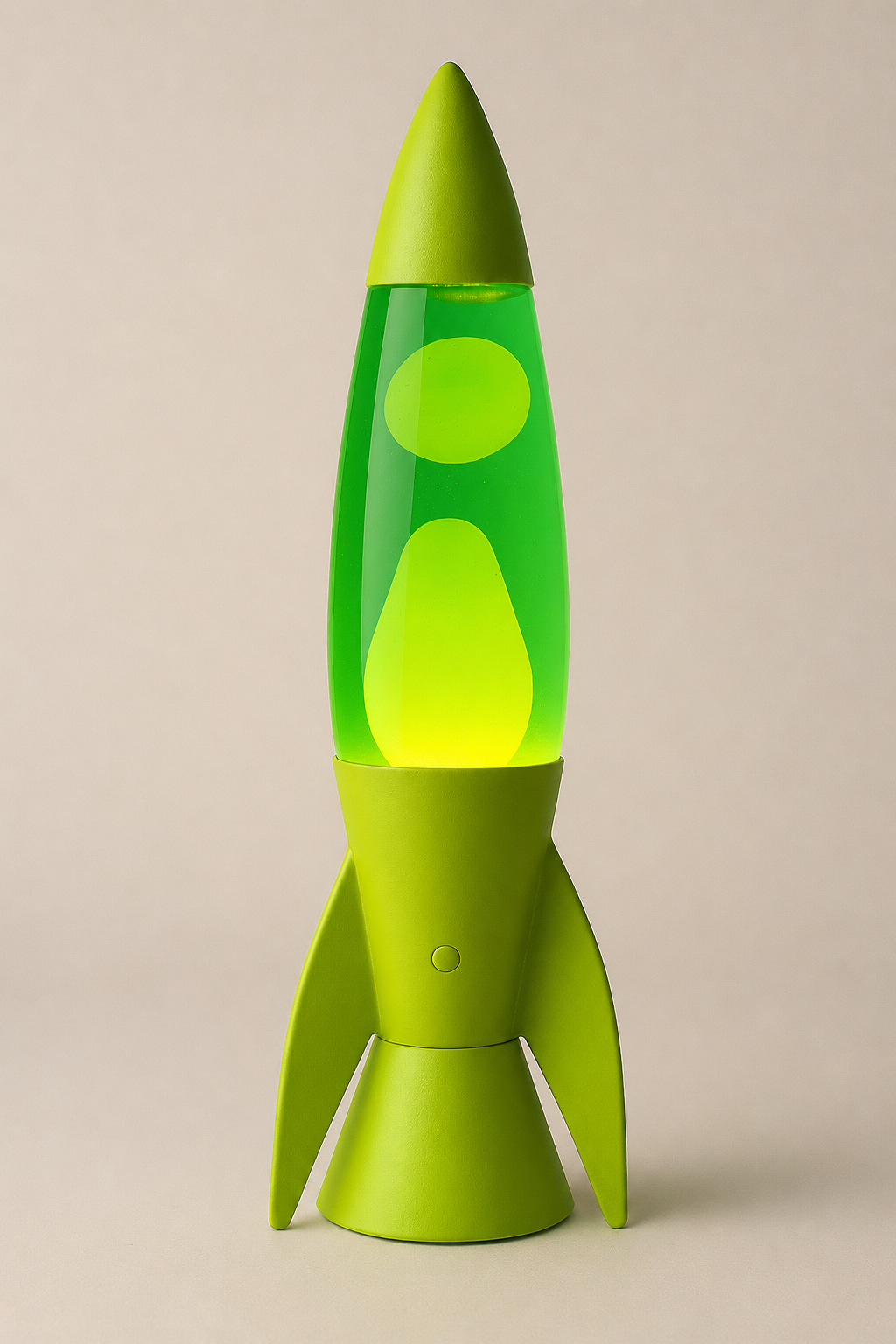
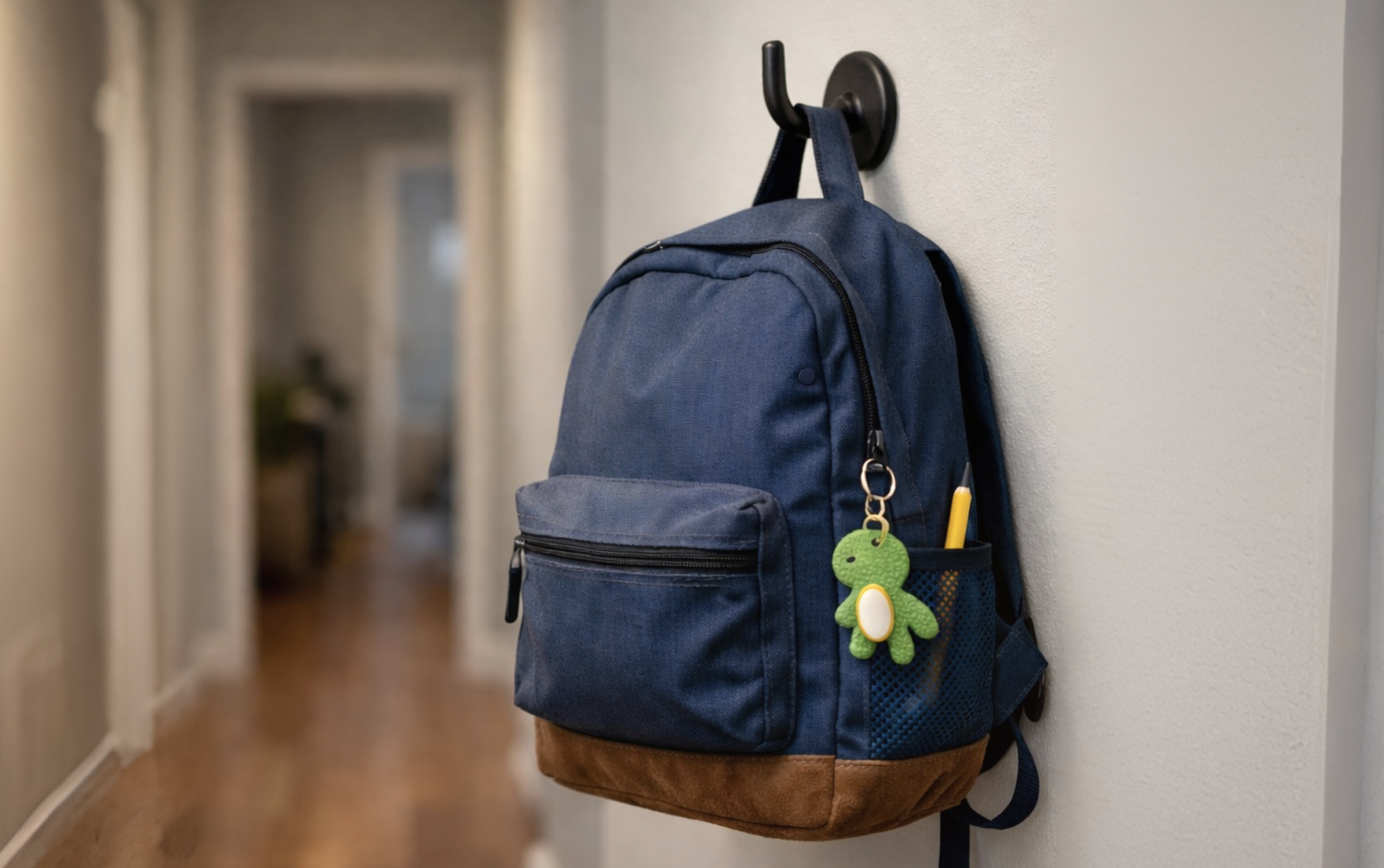
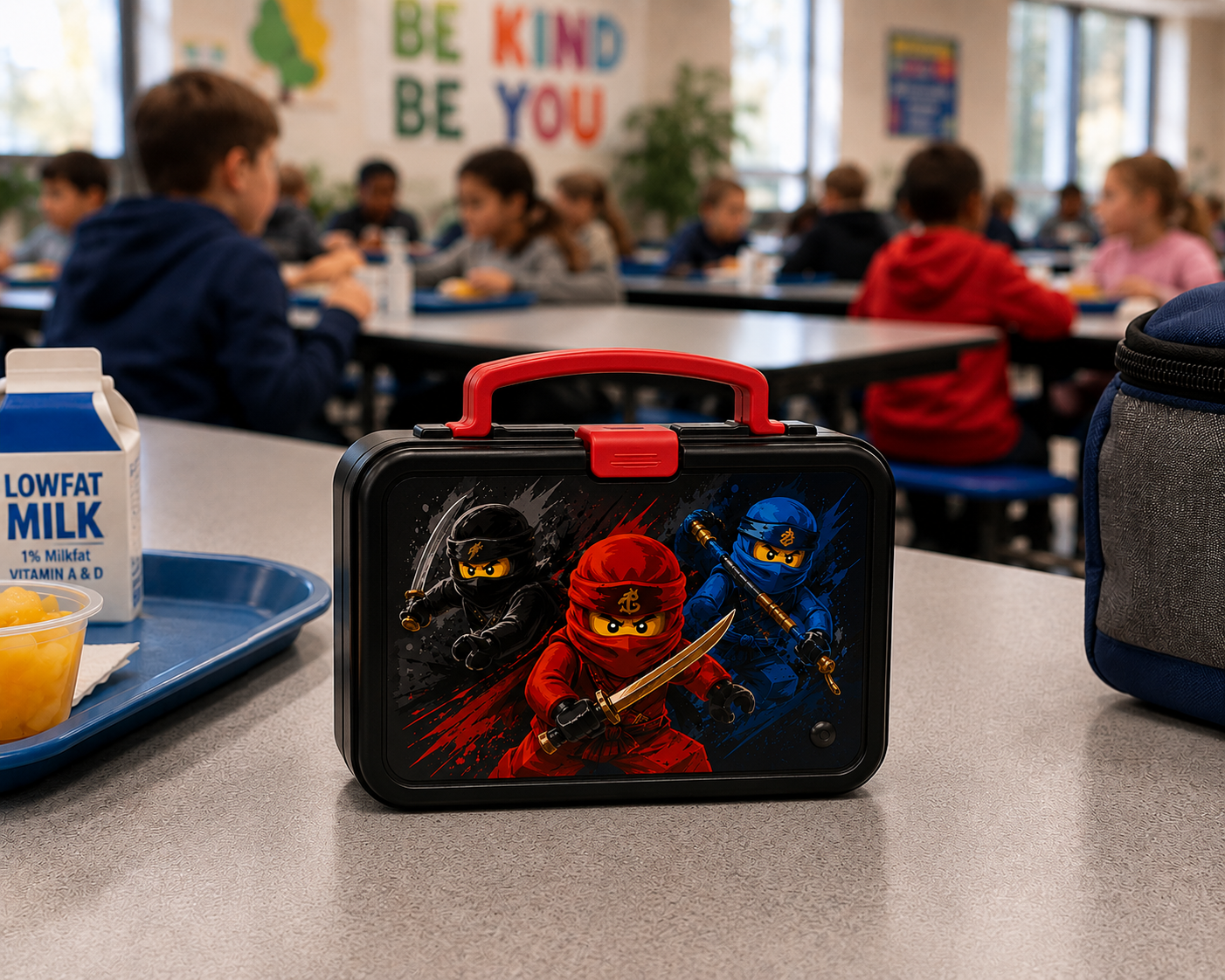

Every Digital Tripwire node ships with a printed sheet of 200+ color-swatch stickers. Pick the one that matches your surface, peel it, place it over the node, and the node disappears. Below is a snapshot of the range. Custom sticker printing available for luxury interiors, gallery-quality art installs, and specialty vehicles.
50+ swatches shown · full sheet 200+ · hover a chip to see the tone name · specialty finishes printed on order
Inside. Always. That's the rule. The node goes inside the object rather than on it: inside a pocket, behind a panel, under a fascia, inside a lid, in the frame backing, in the lining. Nothing is exposed, nothing is visible, no color match is needed. The gallery above shows exterior placements because the color of a stock-white node against a red leather door panel photographs. A node hidden inside a glovebox does not. Real-life deployment is always the second one.
The rare cases where interior placement genuinely is not possible (a solid object with no cavity, a surface where interior placement would break the object) are where the 200+ printed sticker sheet earns its keep. Pick the swatch, peel, apply to the node's top face, and place the node against the surface. The one exposed face becomes invisible. Otherwise, inside.
Every object has an inside. Pockets, panels, linings, backings, lids, cavities. That is where the node goes. Nobody looks inside the object. Nobody sees the node.
When there is no inside to hide in, pick a swatch from the 200+ sticker sheet, apply it to the node's top face, and place. The exposed face disappears. Fallback only.
Either rule, target the point of committed entry. The pocket the thief has to open. The panel they have to lift. The lid they have to touch. Intent-proven placement means better evidence.
No. Digital Tripwire uses a residue-free 3M-family adhesive designed for premium surfaces (fine wood, leather, painted metal, painted drywall, fabric). It holds for years and lifts cleanly with no residue and no finish damage. On surfaces where you want to be extra careful (museum-quality art, museum-conservation contexts, antique wood), we ship with a conservation-grade adhesive option that leaves nothing behind and passes standard conservation review. If you're unsure about a specific surface, ask before you place.
First: you usually don't need it. Best practice is to place the node inside the object, out of sight, where no color match is required. For the rare cases where interior placement isn't possible, every Digital Tripwire node ships with a printed sheet of 200+ color-swatch stickers covering common surfaces (fabric, leather, wood, metal, painted plastic, canvas). Pick the sticker that matches the surface, peel it, place it over the node's top face, then place the node on the surface. The sticker is what makes the color match happen. One SKU on the node hardware, a sheet of 200+ finishes on the sticker layer, applied by you in a couple of seconds. Custom sticker printing is available for luxury interiors, gallery-quality art installations, and specialty vehicles.
The app shows every node's status, battery level, and last check-in in real time. You can run a test-ping any time to verify a node is live. Health notifications alert you before batteries need attention or if a node stops reporting. The invisibility is a design choice for how the node looks to others. It's fully visible in your app.
Yes. The adhesive is designed to lift cleanly and re-apply cleanly. Most people place a node once and forget about it, but if you sell the item, move houses, or reorganize, the node comes off in a few seconds with no damage and re-adheres in seconds on the next surface. If the new surface is a different color, peel a different sticker from the sheet and swap it out. The app auto-detects when a node has been relocated and updates its location context.
No. There's no logo, no visible model number, no indicator light in normal operation, and no external port. At close inspection it looks like a small piece of trim, a design element, or a manufacturer's badge that belongs on the surface. Even people specifically looking for security devices typically miss them. If someone does identify it, that's actually fine (the forensic record is captured regardless), but the color match keeps the device out of the pattern-match a would-be bad actor scans for.
The placement philosophy above answers this: hide the node inside the object, at thresholds and choke points, on the intent-proven surfaces. For a typical home, that's around 3–5 nodes (inside the door frame trim, inside the primary bedroom nightstand, inside a jewelry box, inside a safe, inside a guitar case if you have one). For a vehicle, typically 1–2 (inside the dashboard fascia and inside the cargo compartment). For a specific object (guitar, laptop, artwork), one is enough. The app helps you plan placement based on what you're protecting.
Custom stickers are printed on order. Send a photograph of the surface (or a physical swatch for luxury or gallery contexts) and we print a matching sticker that reads as invisible under normal inspection. Turnaround for custom sticker printing is typically 5–10 business days. Standard-sheet stickers ship with every node so you can install day one on any common surface while you wait for the custom print.
Every node color-matched. Every install under a minute. Every surface it can go on, and a forensic record it can produce when something goes wrong.
Pre-Order Digital Tripwire